This post is available as a video at https://youtu.be/taZEyc54pQo.
History of the Gardens
As a corporate lawyer, Samuel Untermyer (1858-1940) was reportedly the first to earn a million-dollar fee. Eventually he moved on to drafting legislation: his legal fingerprints are all over the Federal Reserve Act, the Clayton Anti-Trust Act, and the Federal Trade Commission, as well as the Securities and Exchange Act passed under FDR.
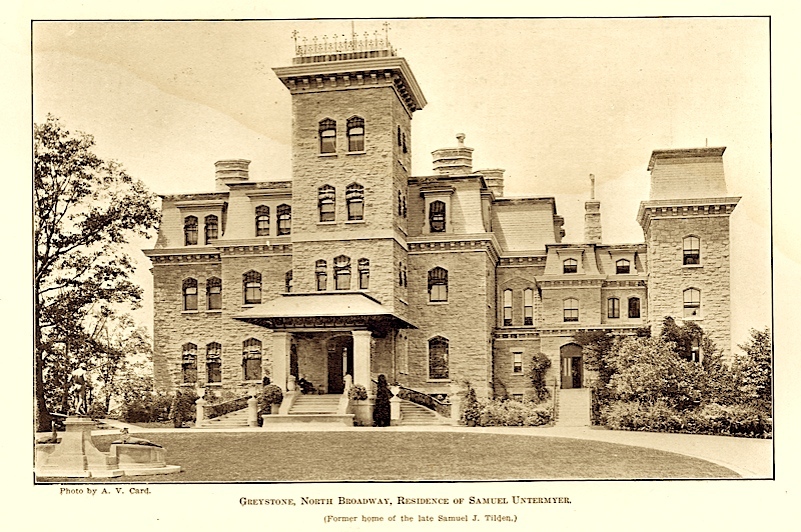
In 1899, when Untermyer was in his forties, he bought a 99-room mansion in Yonkers that overlooked the Hudson River. Its gardens bloomed across 150 acres. They were designed by William Welles Bosworth, who had created the gardens at Kykuit, the nearby home of the Rockefellers. A small army of gardeners tended Greystone’s 60 greenhouses, with thousands of orchids and millions of other flowers. From its Walled Garden, a thousand steps descended – past gardens in a rainbow of colors – to a spectacular vista of the Hudson River. The only gardens that could compare to Greystone’s in size and splendor were those at Biltmore, the North Carolina home of Cornelius Vanderbilt’s grandson.
One day a week, the fabulous gardens at Greystone were open to the public. On a bright October day in 1939, some 30,000 visitors crowded in to see a flower show. A few months later Untermyer died, bequeathing his estate to the City of Yonkers.
But given the lingering effects of the Great Depression, Greystone was a luxury Yonkers couldn’t afford. The house was razed in 1948. The gardens were left to go to seed, then sold off piecemeal. About 40 acres of the former gardens on the Untermyer estate are now managed by the Untermyer Gardens Conservancy, which is gradually restoring them to their former glory. A map of the gardens is here.
Walled Garden
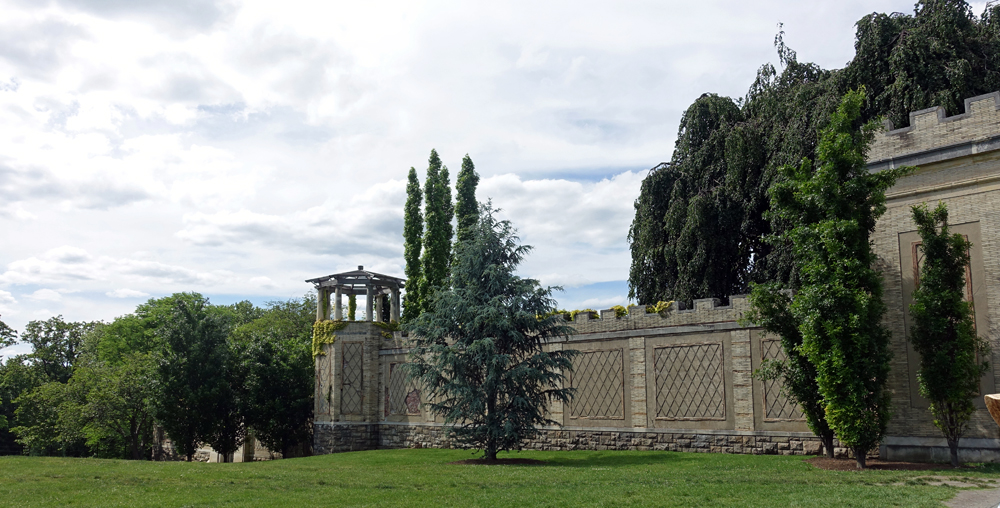
The Walled Garden boasted an amphitheater, four canals, a columned overlook, and sphinxes by Paul Manship. This is the exterior of the wall near the present entrance to the Untermyer Gardens.
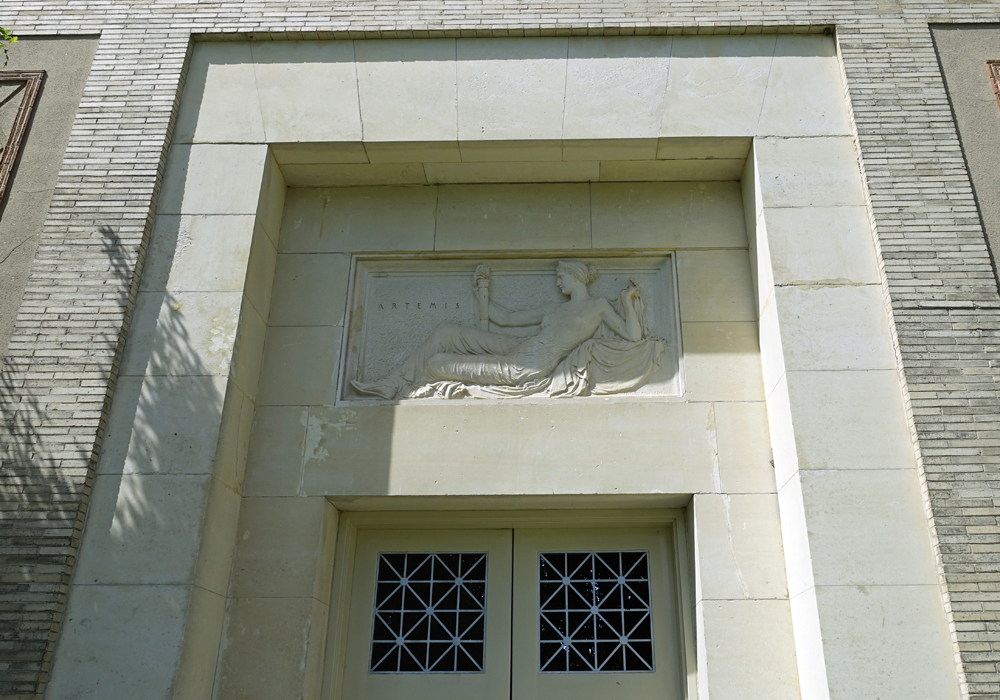
Artemis, a relief above the entrance to the Walled Garden, is by Ulric Ellerhusen (1879-1957), who was known for such architectural sculpture.
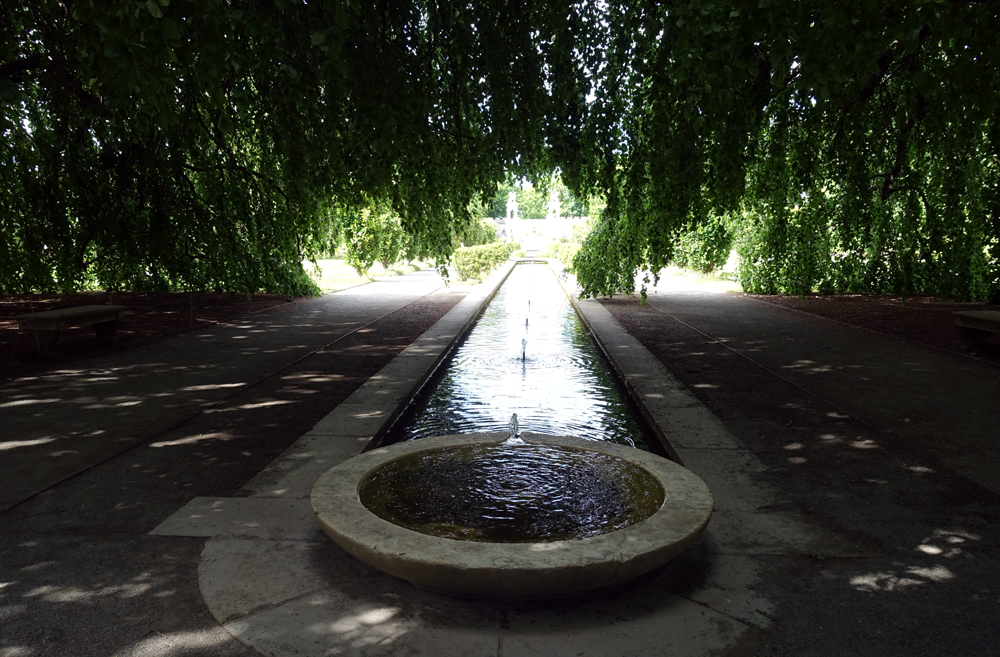
In Persian, “paradise” means “surrounded by a wall”. The canals run east-west and north-south, crossing at the center of the Walled Garden; they symbolize the four rivers of Paradise. This is the canal leading from the main gate.
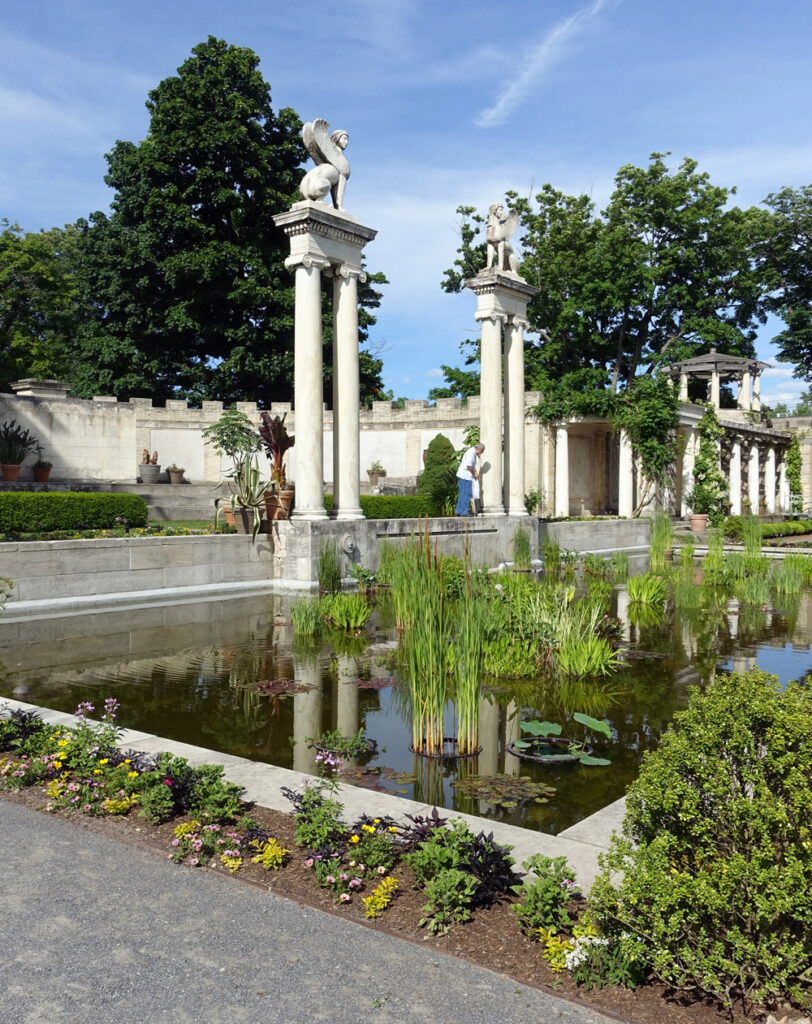
The canal from the entrance, with lovely plantings on either side. Manship’s pair of sphinxes and the amphitheater are in the distance toward the right; the Temple of the Sky is toward the left.
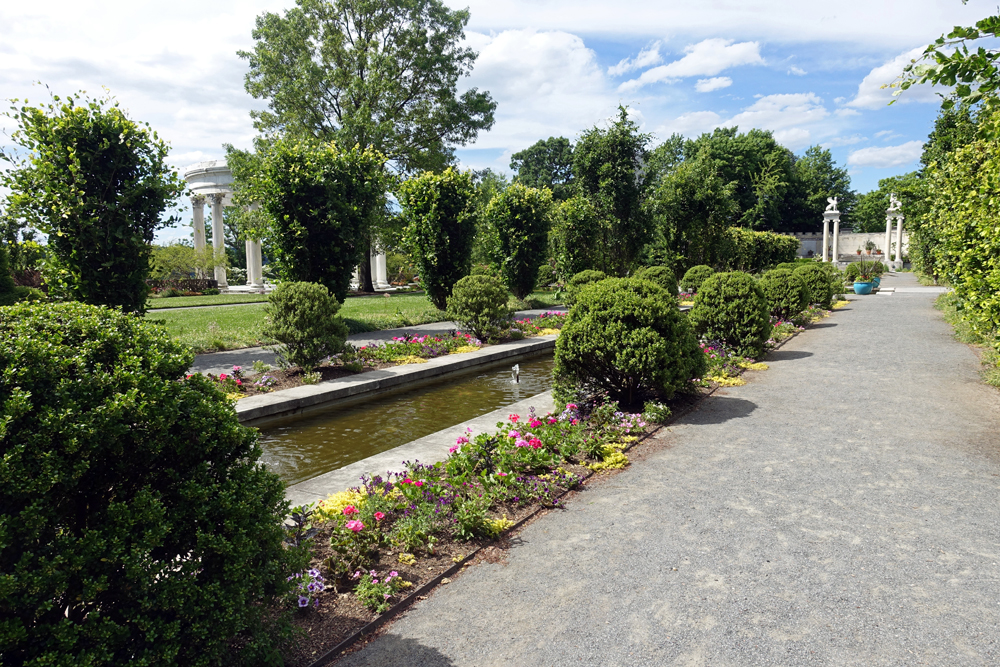
Crossing of the canals, with Manship’s sphinxes beyond.
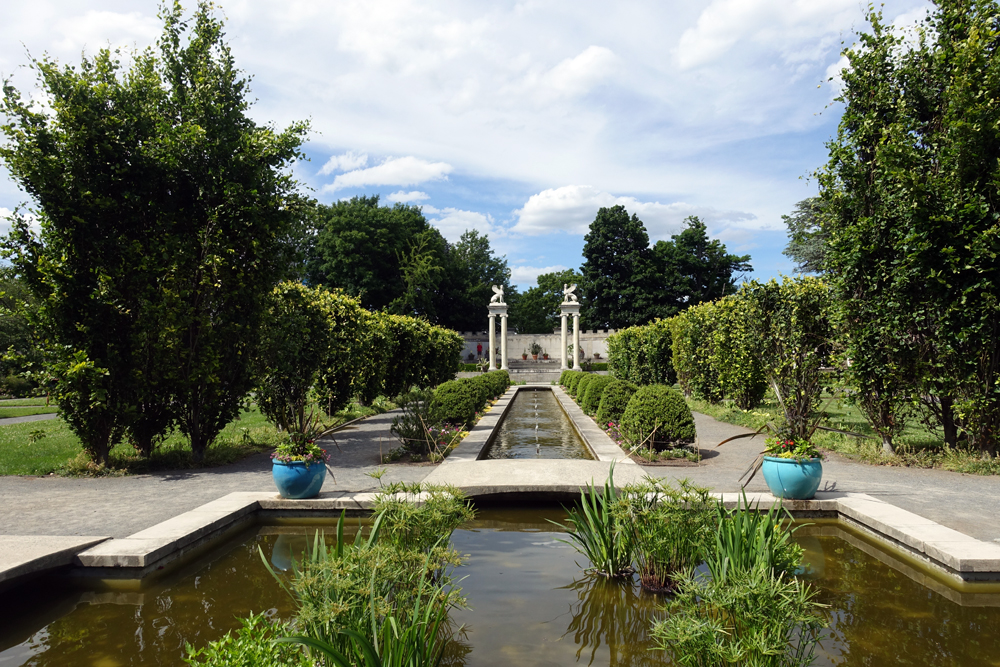
Looking back toward the entrance, with its two huge trees.
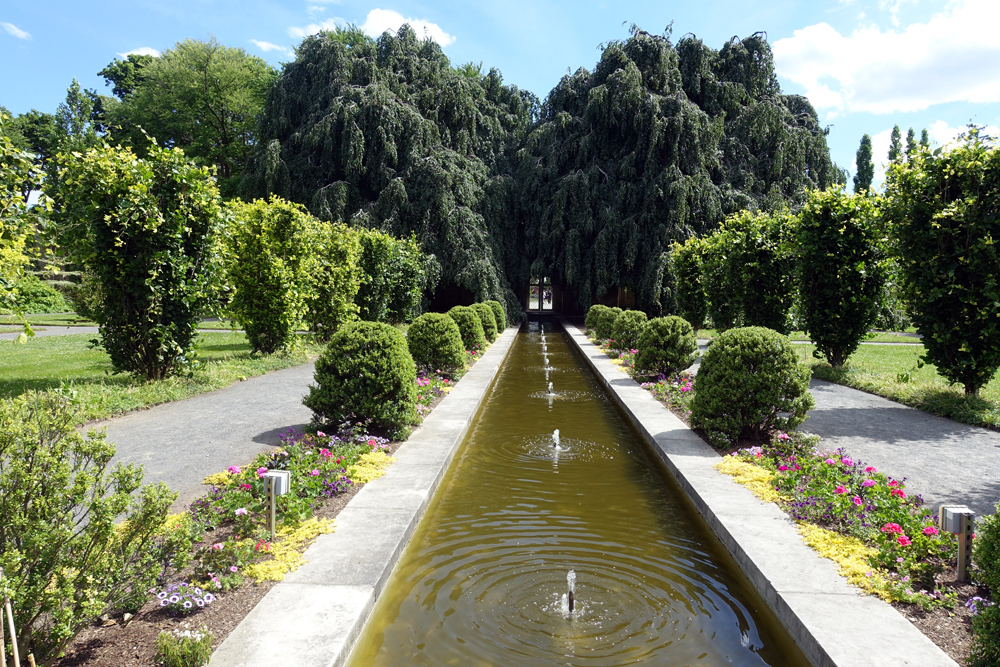
The canal on the left of the entrance leads to the “Temple of the Sky”, which overlooks the Hudson River.
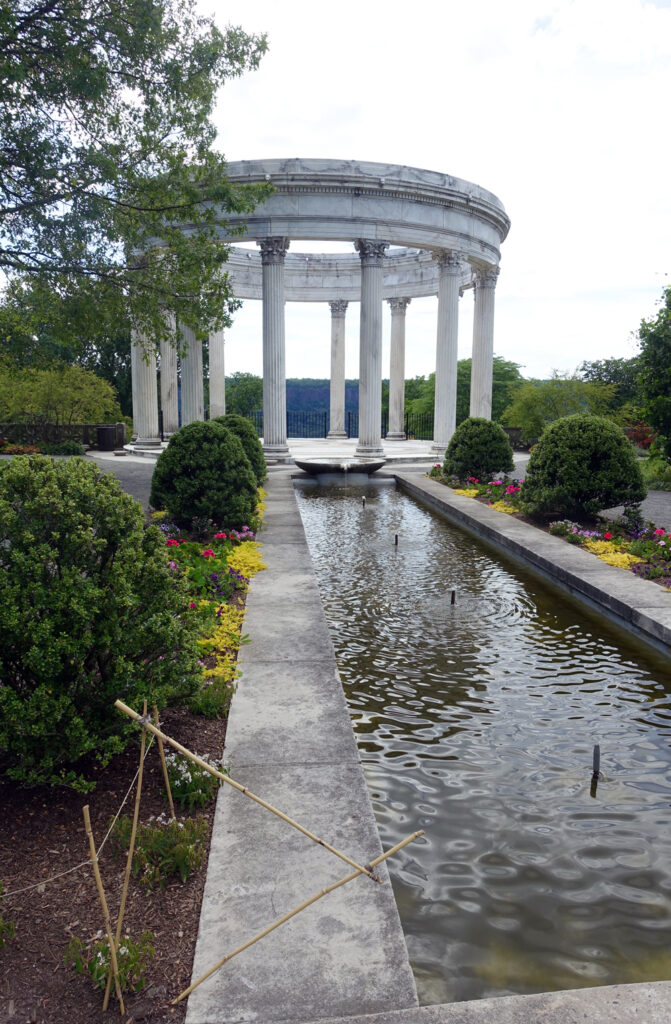
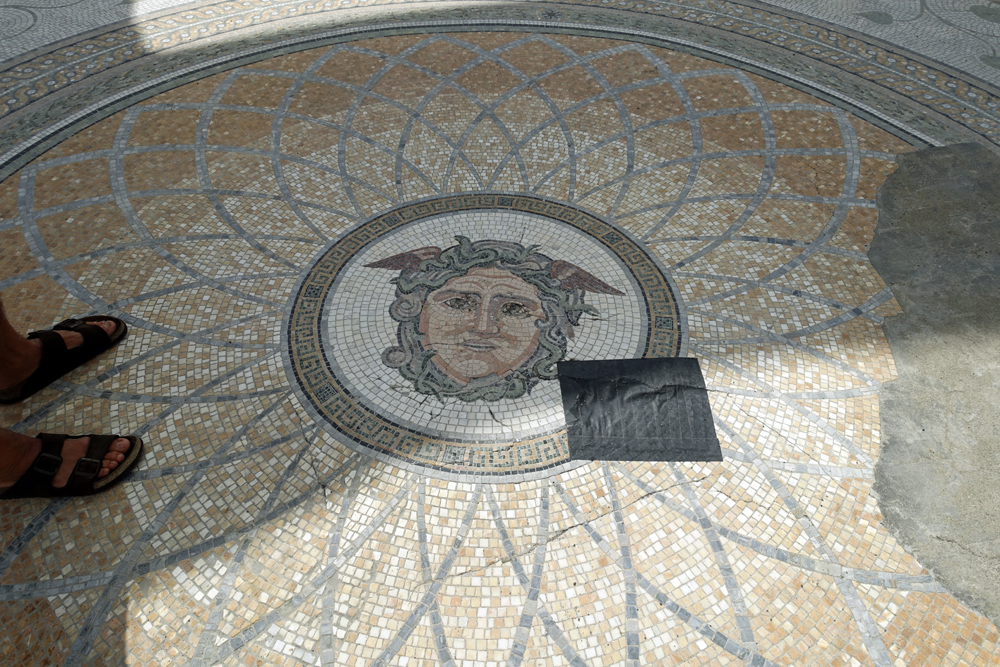
Temple of the Sky, with an elegant mosaic floor.
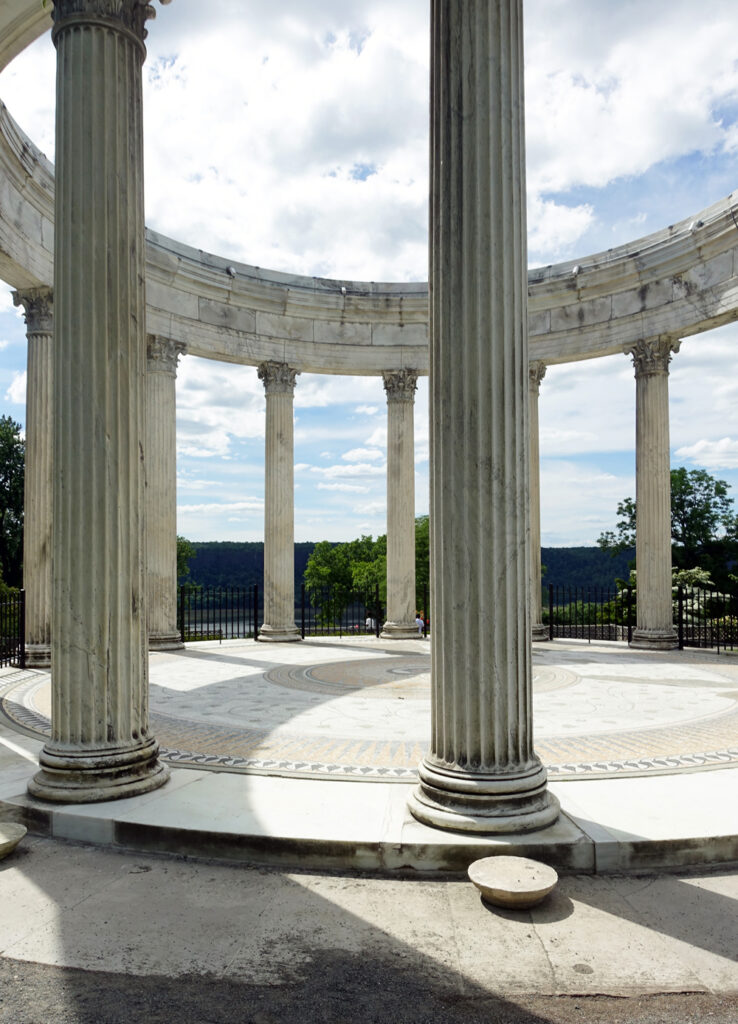
Temple of the Sky’s mosaic floor.
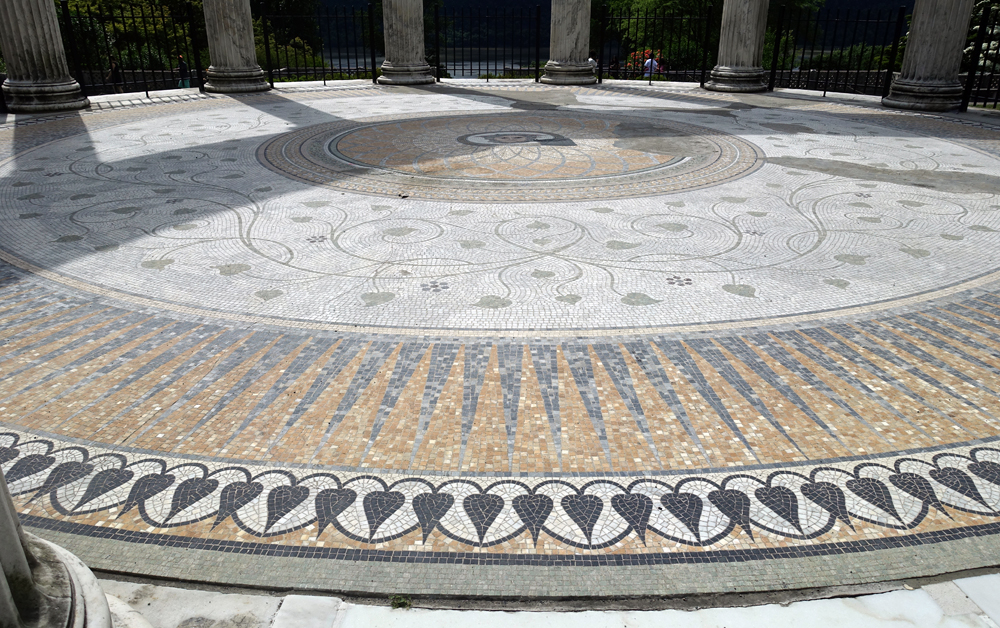
Detail of the mosaic floor in the Temple of the Sky.
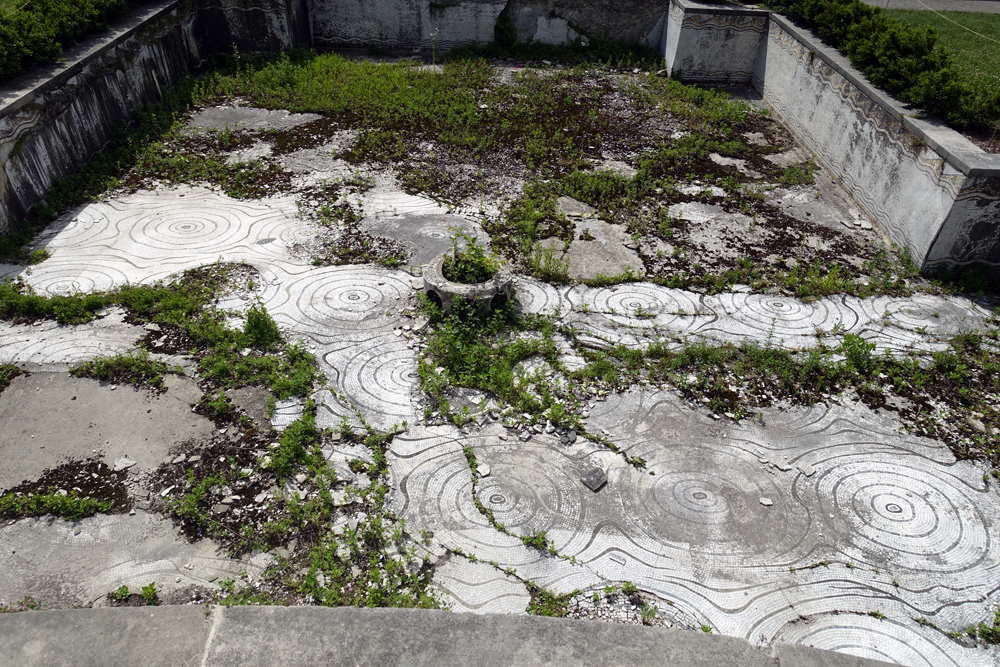
More mosaics, this time in the remains of a reflecting pool (the “Persian Pool”) on the far side of the Temple of the Sky.
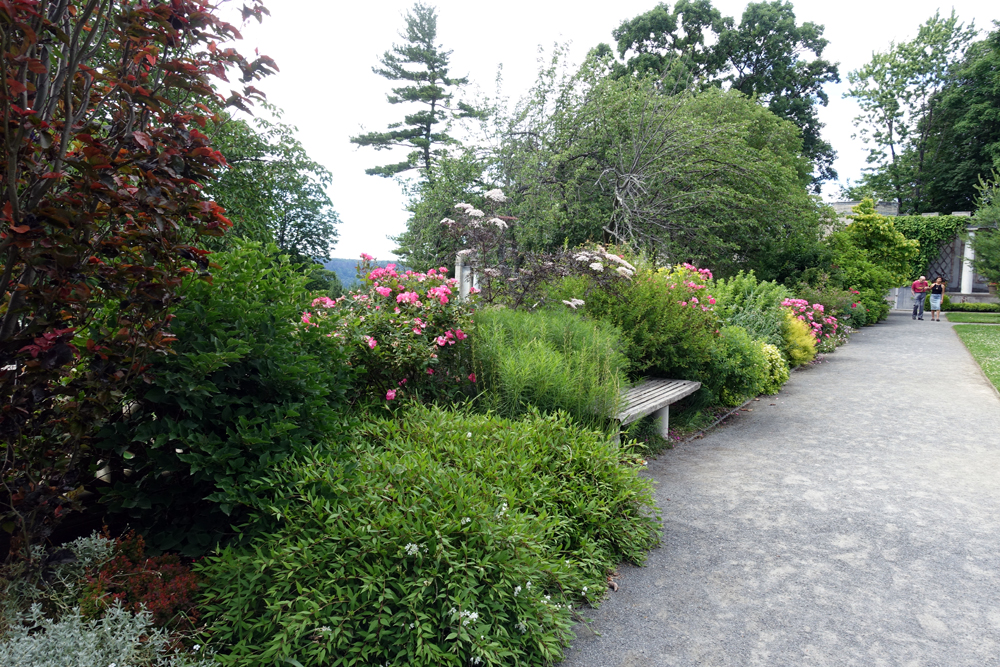
Exuberant plantings at the side of the Walled Garden overlooking the Hudson.
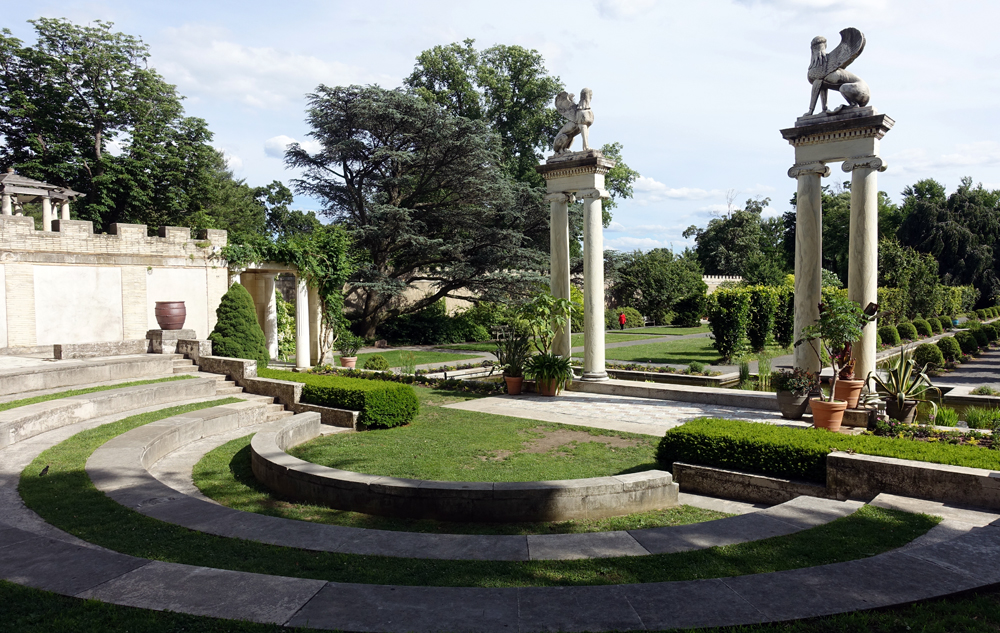
At the end of the Walled Garden opposite the main entrance is an amphitheater crowned with sphinxes by Paul Manship.
Amphitheater and Manship’s sphinxes.
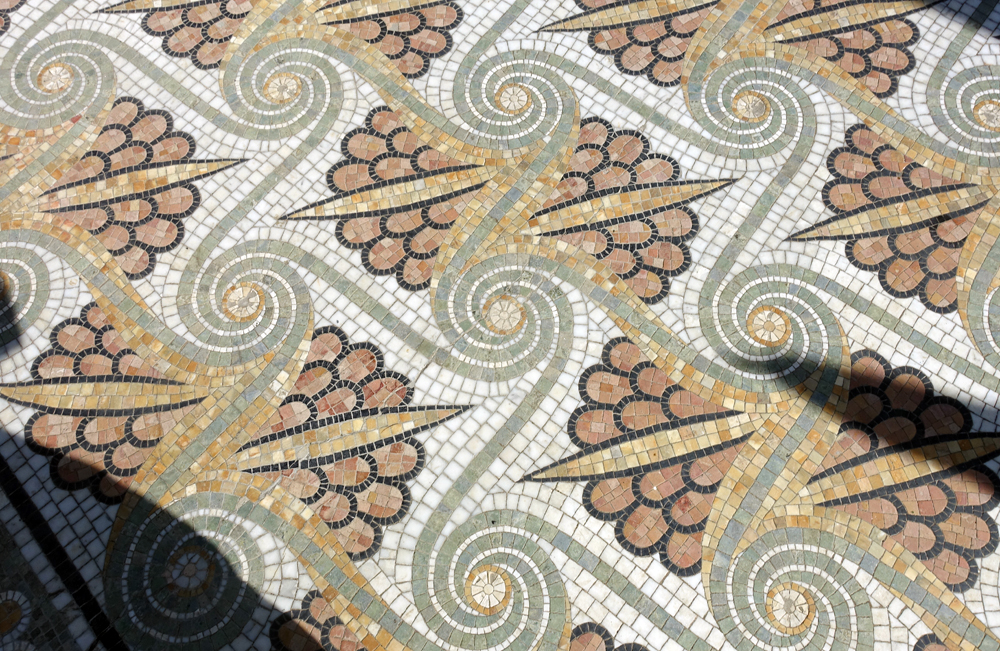
Mosaic from the amphitheater. Mosaics take a long time to create, but they last for years and years, even exposed to the elements in a New York winter.
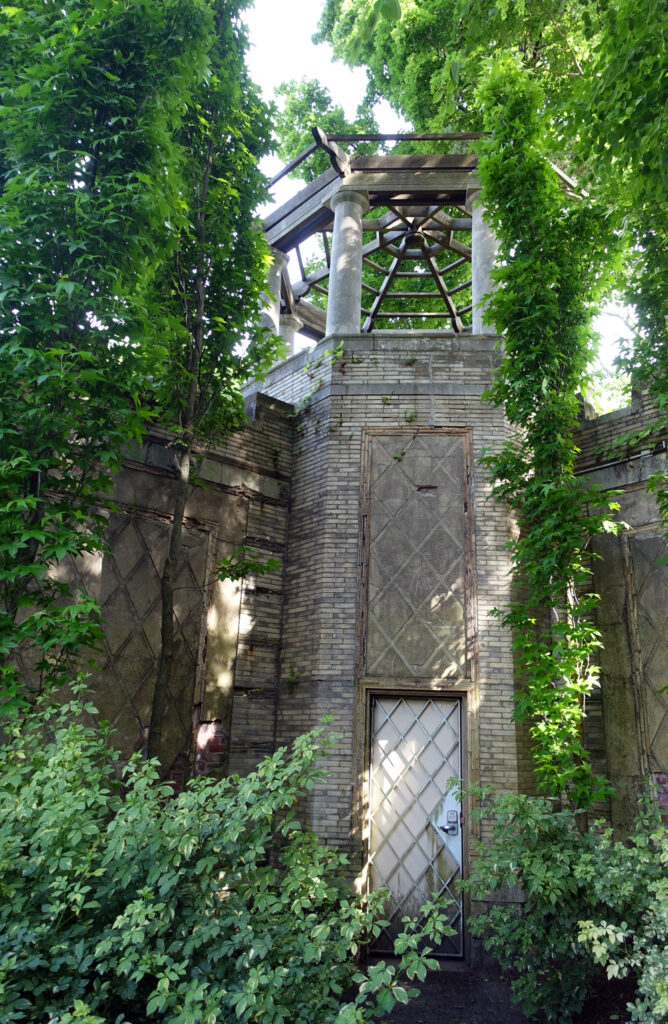
Near the entrance gate to the Walled Garden: one of the walls and corner towers, seen from the inside.
Next week: the stairs to the Hudson River and the Temple of Love.
More
- On the Untermyer Fountain, which once stood in front of Greystone and is today in Central Park’s Conservatory Garden, see this post.
- More info on my free email list and details on becoming a paid supporter are here. I do not share my mailing list with anyone, ever.
- Want wonderful art delivered weekly to your inbox? Check out my free Sunday Recommendations list: details here.