The first post in this series is here, the second here. This post is available as a video at https://youtu.be/RsQ_Sp_g1vE.
Chapter 10
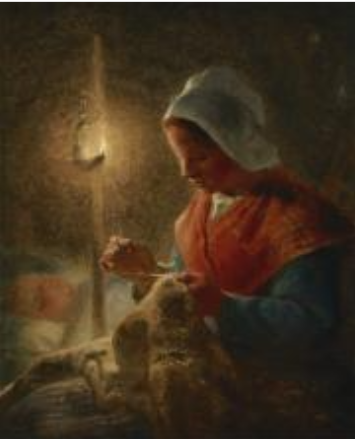
Millet, peasant woman sewing by lamplight: Millet, Woman Sewing by Lamplight, 1870-1872.
Gainsborough portraits: see part 2, Ch. 8, and here.
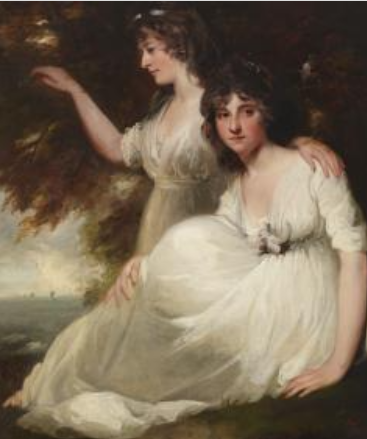
Ethereal Hoppner: Hoppner, The Ladies Sarah & Catherine Bligh, ca. 1790.
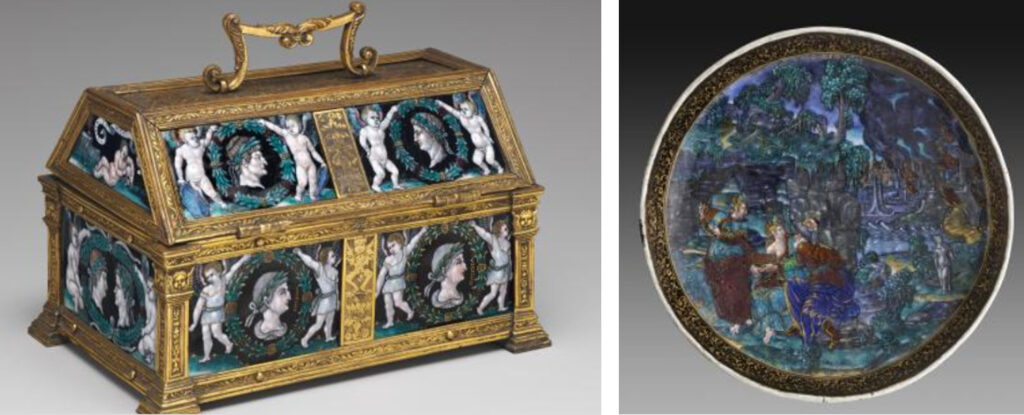
Limoges enamel box (marriage casket) with putti: the most putti-full one is attributed to Colin Nouailhe: Casket with heads of Caesars within wreaths, ca. 1545.
Pillar of salt: Master I.C., Cup with Lot and His Daughters, late 16th c.
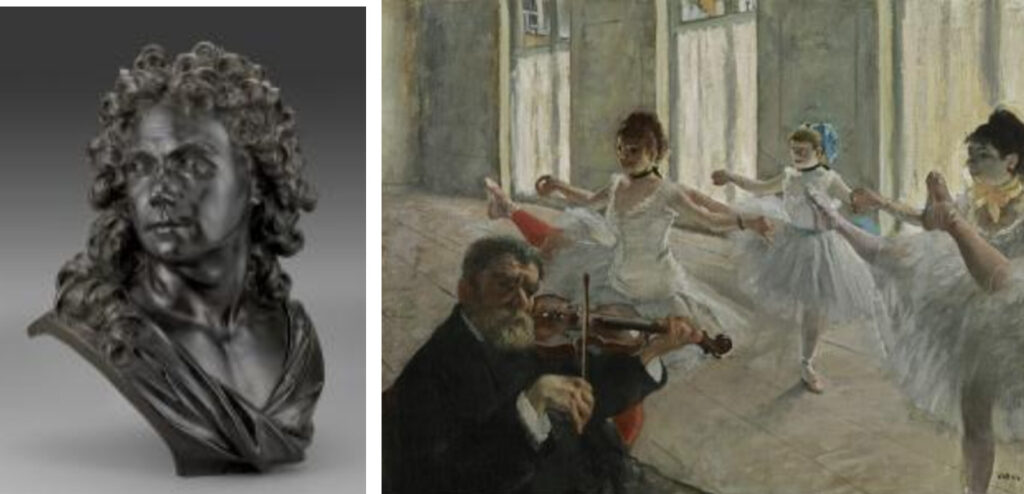
18th-c. bronze bust in library: Of the half-dozen the Frick owns, I like the one below by Antoine Coysevox, Robert de Cotte, early 18th c.
Degas oil painting of ballet dancers: Degas, The Rehearsal, 1878-1879.
Holbein’s More and Cromwell: see part 2, Ch. 8; also here and here.
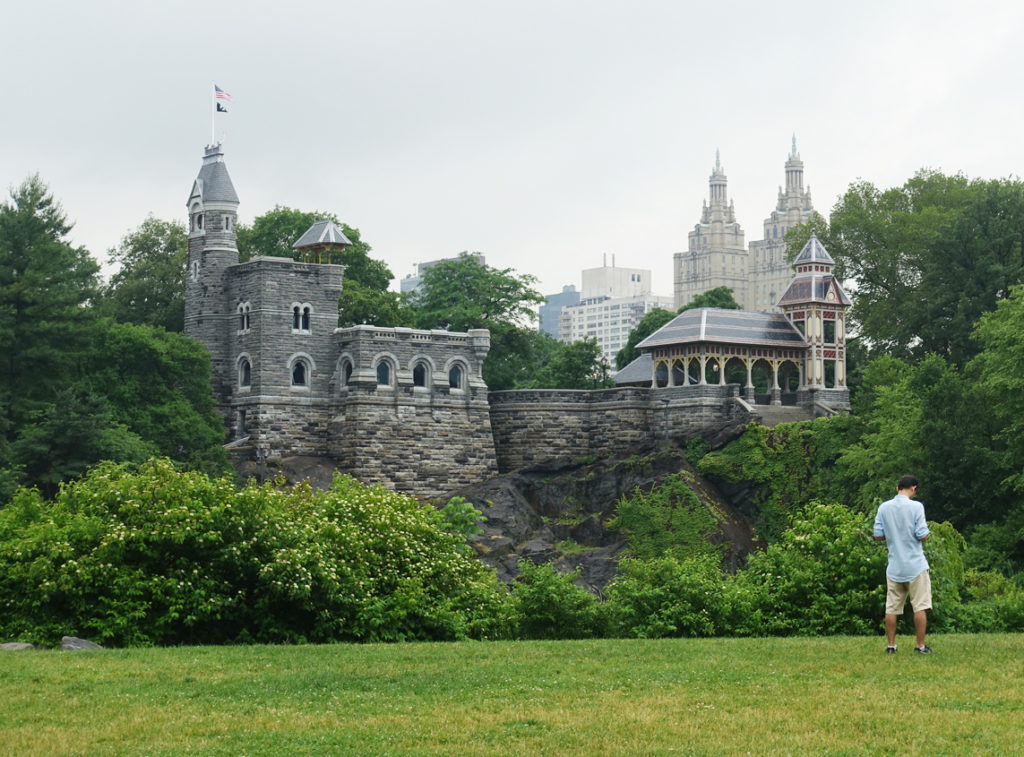
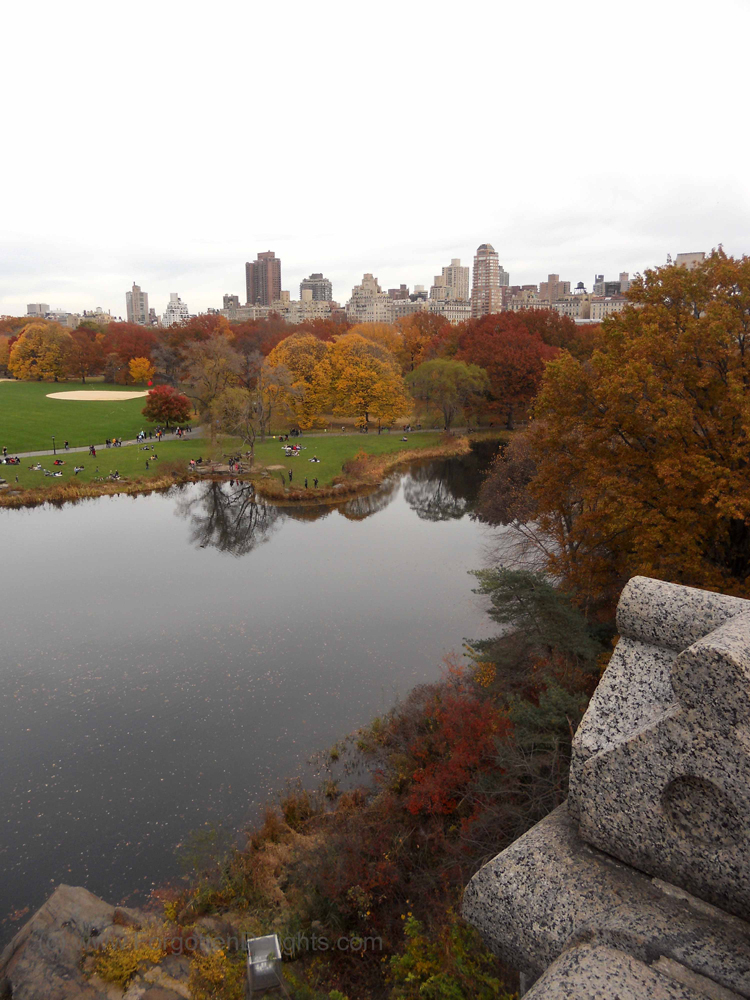
Belvedere Castle: at 79th St. Transverse in Central Park.
Chapter 11
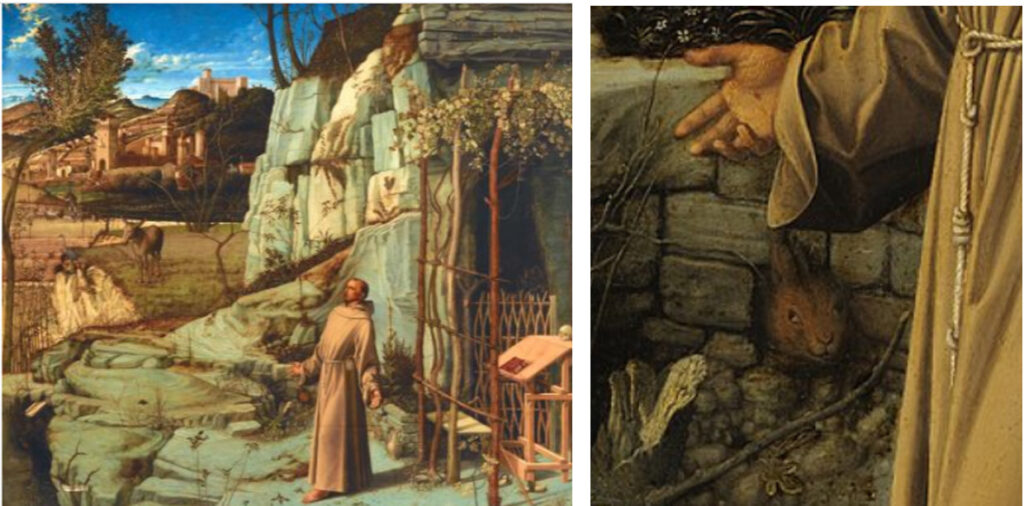
Bellini, St Francis in the Desert (rabbit): Giovanni Bellini, St. Francis in the Desert, ca. 1475-1480. The rabbit is just behind St. Francis’s proper right arm. High-resolution image (36,000 x 20,000 pixels!)is here. I wrote a lot, lot, lot about this painting in this essay, published back in 2007.

Romney, Lady Hamilton as Nature: see part 2, Ch. 8, and here.
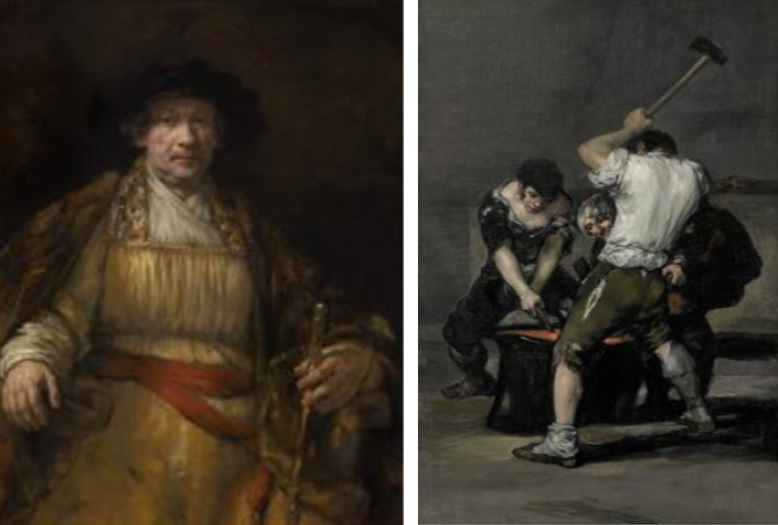
Rembrandt self-portrait: Rembrandt, Self-Portrait, 1658.
Goya, The Forge: Goya, The Forge, ca. 1815-1820.
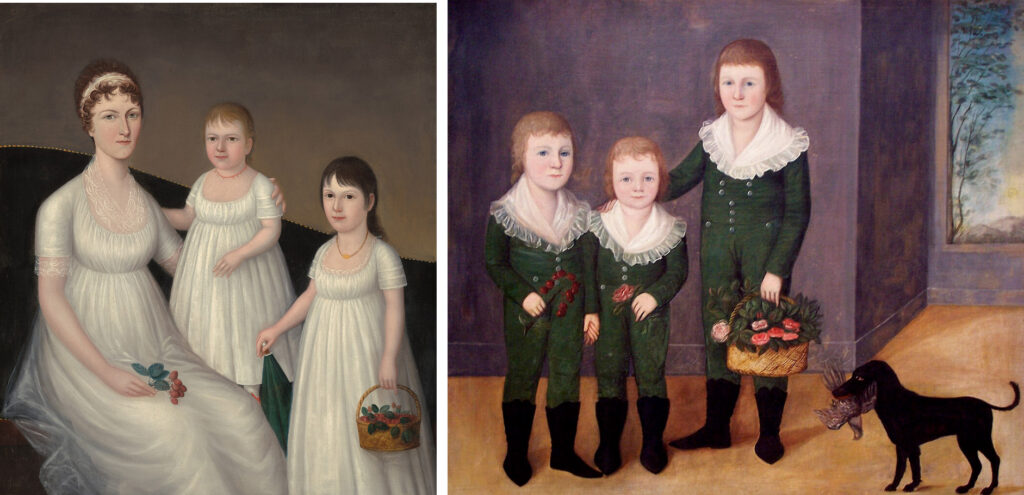
Joshua Johnson, first documented black artist in America: Joshua Johnson (ca. 1763-ca. 1824). Samples of his work are below. For context, see this post and this one, on early American paintings at the Worcester Museum of Art.
Renoir in hallway, of little girls in fur: see part 1, Ch. 2, and here.
Room with earthenware & brilliantly colored ceramics: Where to start with the Frick’s wonderful collection? Try this search (for “vase”), or search “earthenware”.
Chapter 15
Vermeer, Laughing Girl: see part 1, Ch. 7, and here.
Sherry Fry, Truth, on Frick’s facade: see part 1, Ch. 2, and here.

Chapter 16
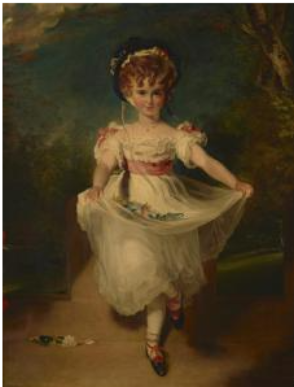
Sir Thomas Lawrence, girl with blue stone on gold chain: Lawrence, Miss Louisa Murray, after 1827.
Rembrandt, self-portrait: see Ch. 11 above and here.
Degas: see Ch. 10 above, and here.
El Greco: for St. Jerome, see part 2, Ch. 8, and here.
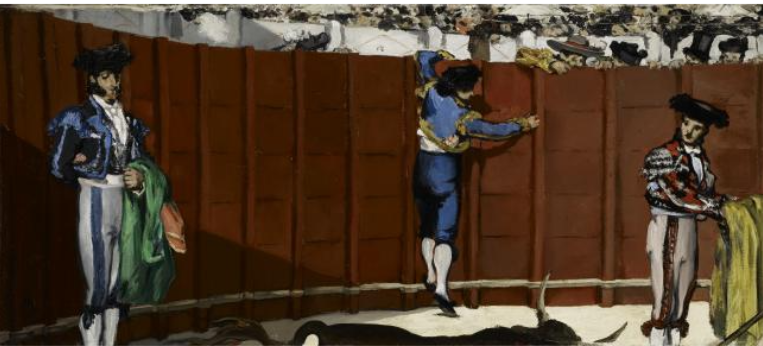
Manet: Manet, The Bullfight, 1864.
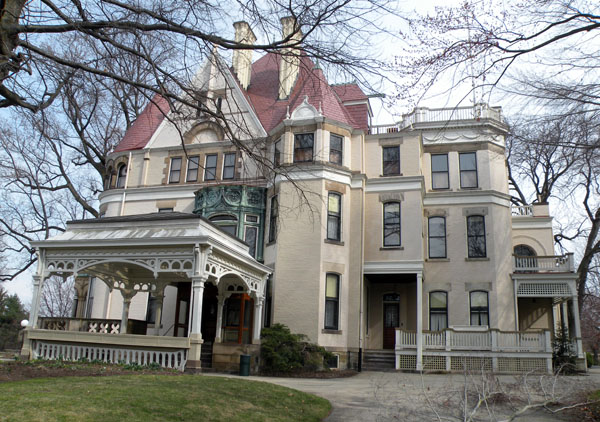
Pittsburgh Mansion: The Frick Mansion in Pittsburgh (called “Clayton”) was the family’s primary residence from 1883 to 1905.
Chapter 17
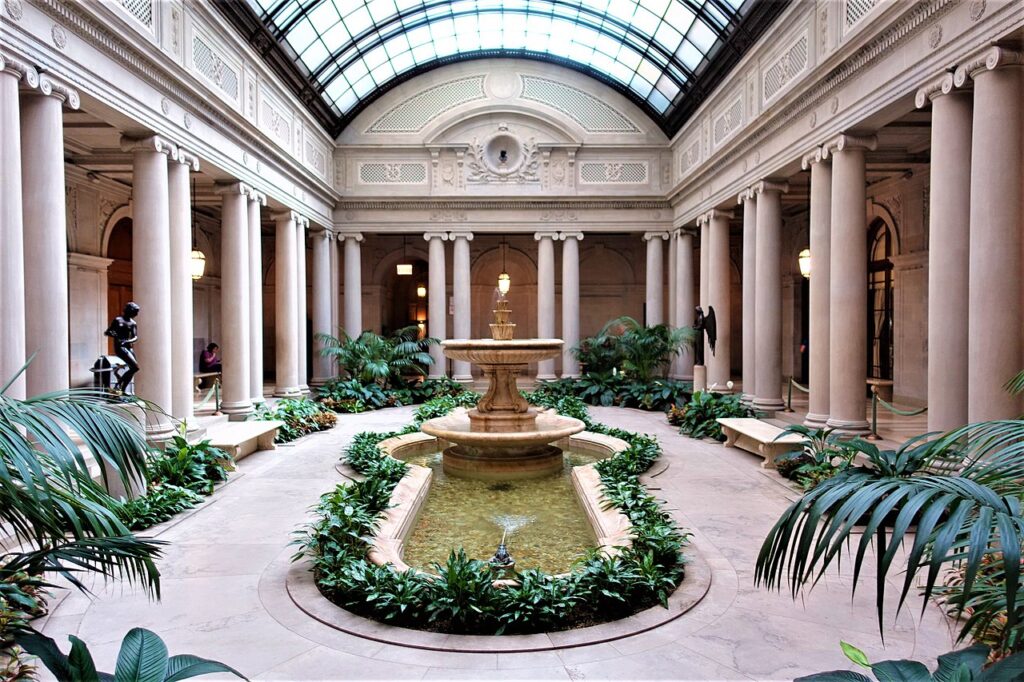
Fountain inside Frick Collection
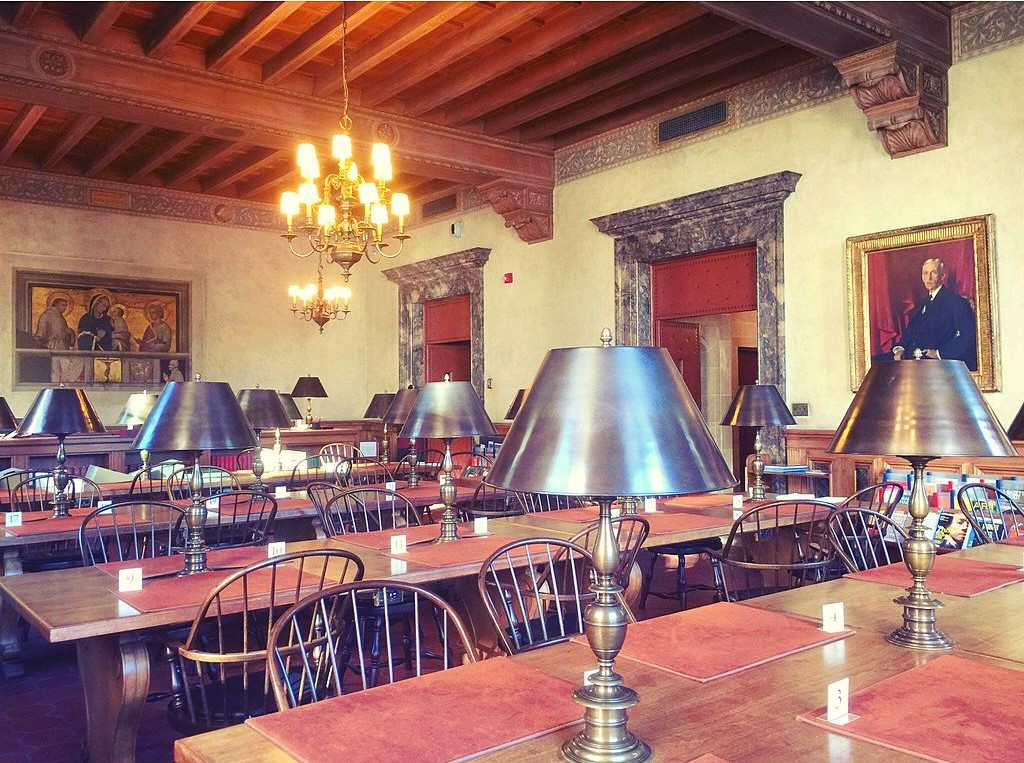
Frick Art Reference Library, gold-leafed fresco in Reading Room. (A fabulous room to work in!)
Enamels room: see part 2, Ch. 9, and here.
Chapter 18
Fragonard Room: see part 1, Ch. 2, and here.
Gertrude Vanderbilt Whitney: see part 1, Ch. 7, and here.
Chapter 23
Sherry Fry, Truth, on Frick’s facade: see part 1, Ch. 2, and here.
Lillian staring up into distance, arms slightly lifted, one foot stepping forward as if about to levitate into mist: I assume this is also a figment of Fiona Davis’s brilliant imagination.
More on Audrey Munson
If you’ve read the notes to The Magnolia Palace, you’ll know that Audrey Munson was the basis for Lillian, although their stories diverge sharply. Below is a bust of Audrey Munson as Audrey Munson – not as an allegorical figure. It’s the work of Daniel Chester French, one of the great American sculptors of the early 20th century. The bust is on display at French’s home and studio, Chesterwood, in western Massachusetts.
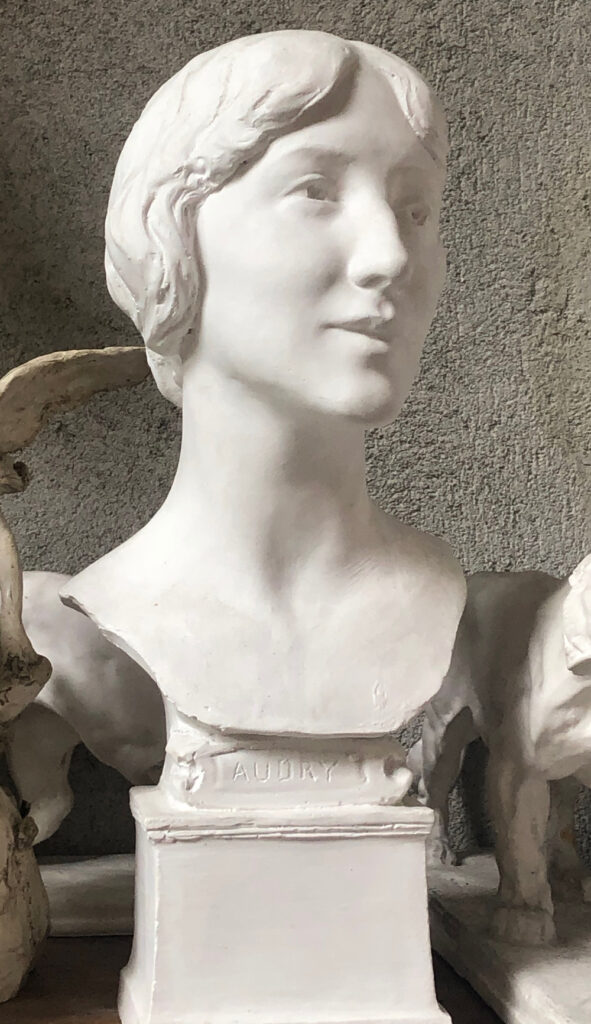
We don’t actually know how many sculptures Audrey Munson posed for. Artists didn’t necessarily tell the world which the models they used for a particular work – and as Lillian says in the book, an artist often used a model for the pose, but changed his or her facial features. Wikipedia has a color-coded list of possible, probable, and impossible works that Munson modeled for. Besides the Straus Memorial (see part 1, Ch. 1), they include:
- A. Piccirilli, Firemen’s Memorial, 1913. Riverside Drive
- A. Piccirilli, Maine Monument, 1913. Columbus Circle
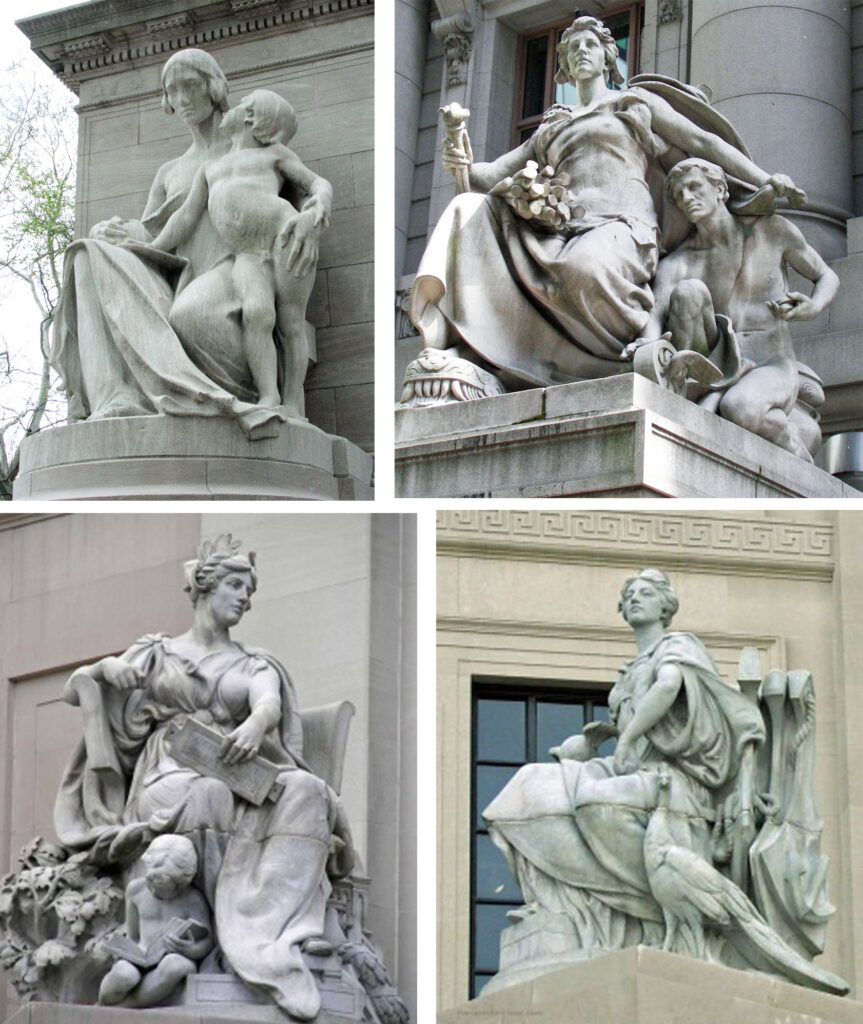
- Daniel Chester French, Continents, 1907. Customs House at Bowling Green
- Daniel Chester French, Manhattan and Brooklyn, 1916. Created for the east end of the Manhattan Bridge; now in front of the Brooklyn Museum
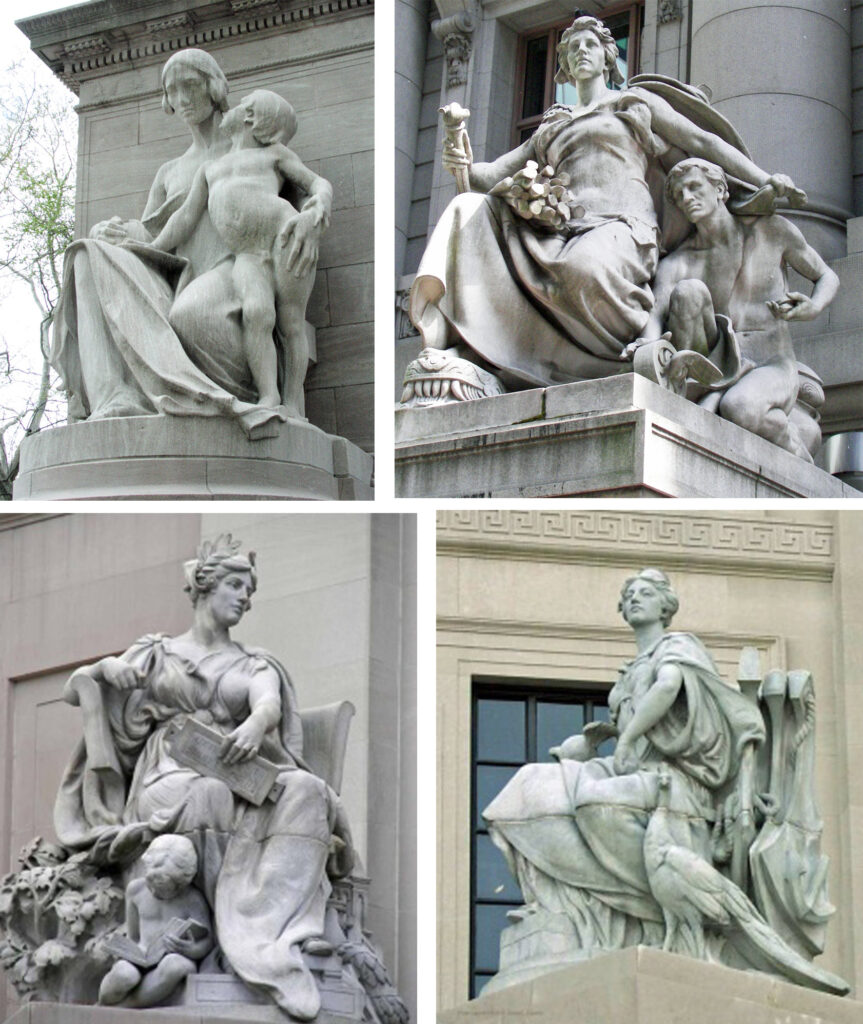
A good deal of information is available about Munson on the Net. I suggest starting with the New England Historical Society’s essay – it’s one of the least sensational.
More
- Frick Madison is closing down on 3/3/2024. By late 2024, the Frick Collection will be back on East 70th Street, in its renovated and expanded home. Updates here.
- For an illustrated chronological list of every outdoor sculpture in New York City up to 2021, see my Instagram account.
- Want wonderful art delivered weekly to your inbox? Check out my Sunday Recommendations list and rewards for recurring support: details here. For examples of favorite recommendations from past years, click here.