Who most influenced the shape of Central Park in its early years? There was Egbert Ludovicus Viele, whose detailed topographical study of the site helped make the park’s design a matter of engineering as well as esthetics. There were Frederick Law Olmsted and Calvert Vaux, of course, who created the Greensward Plan. Last and not least, there was Andrew Haswell Green, who managed the money.
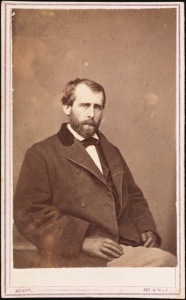
Green as Central Park’s money manager
In 1857, Green, a real-estate lawyer, was appointed one of the original eleven commissioners of Central Park. He served as treasurer, then president. By 1859, he was park comptroller.
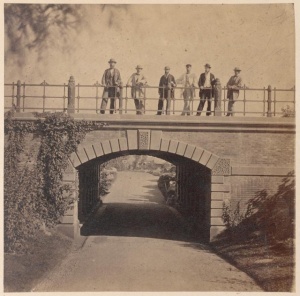
As comptroller, with both executive power and financial control, Green soon veered onto a crash course with Olmsted. Although Green had voted for the Olmsted and Vaux design, he didn’t envision Central Park as a pastoral escape. He successfully campaigned for the building of art and natural history museums there.
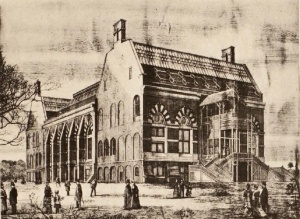
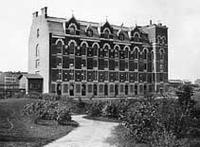
Green also minutely questioned the bills submitted by Olmsted as architect-in-chief. Olmsted accused him of a “constitutional reluctance to pay.”
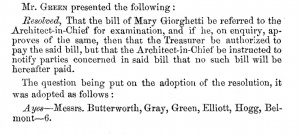
The New York State Legislature rewarded Green’s efficient management by expanding the duties of the Board of Commissioners. The Board managed every park in Manhattan. They were in charge of surveying and then laying out the streets in northern Manhattan and the southern end of the Bronx.
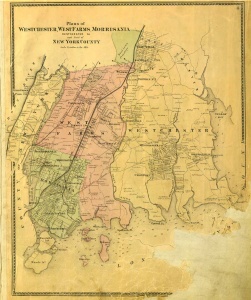
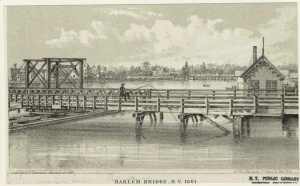
They were also in charge of building and maintaining the bridges that crossed the Harlem River, and defining bulkheads on the shore of the Hudson.
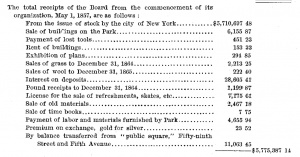
To accomplish all this, the Board hired thousands of employees and handled budgets running to millions of dollars.
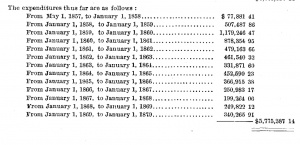
And that put a target on their back.
The Tweed Years
In the 1860s, politicians routinely handed out jobs to their supporters. When Boss Tweed came into power in April 1870, one of his first acts was to put his cronies in control of the Board of Commissioners of Central Park – and hence all those jobs and all that money.
Andrew Haswell Green was the only member of the old Board who stubbornly held his position under Tweed’s cronies. Alas, his “constitutional reluctance to pay” had no effect on their extravagant spending. When it became obvious that he would routinely disagree with them, they simply failed to show up for scheduled meetings and met elsewhere.
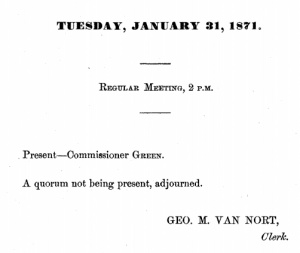
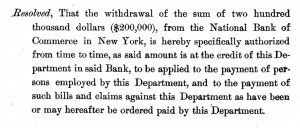
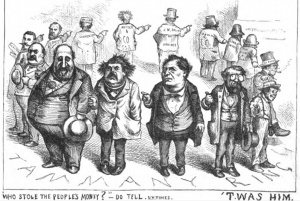
After Tweed’s arrest in late 1871, the city collapsed into financial shambles. Green, appointed comptroller of the city, borrowed half a million dollars on his own responsibility in order to pay for policemen, firemen, and other urgent services.
Greater New York and the Green Bench
By then, Green was already arguing that Manhattan and the patchwork of forty-odd cities, towns, and villages surrounding it should be combined into one grand City of New York. In 1898, when consolidation became official, Andrew Haswell Green was presented with a gold medal and was proclaimed “the Father of Greater New York.”
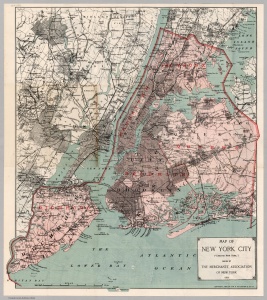
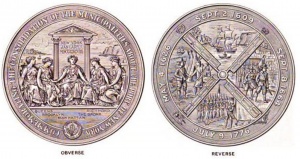
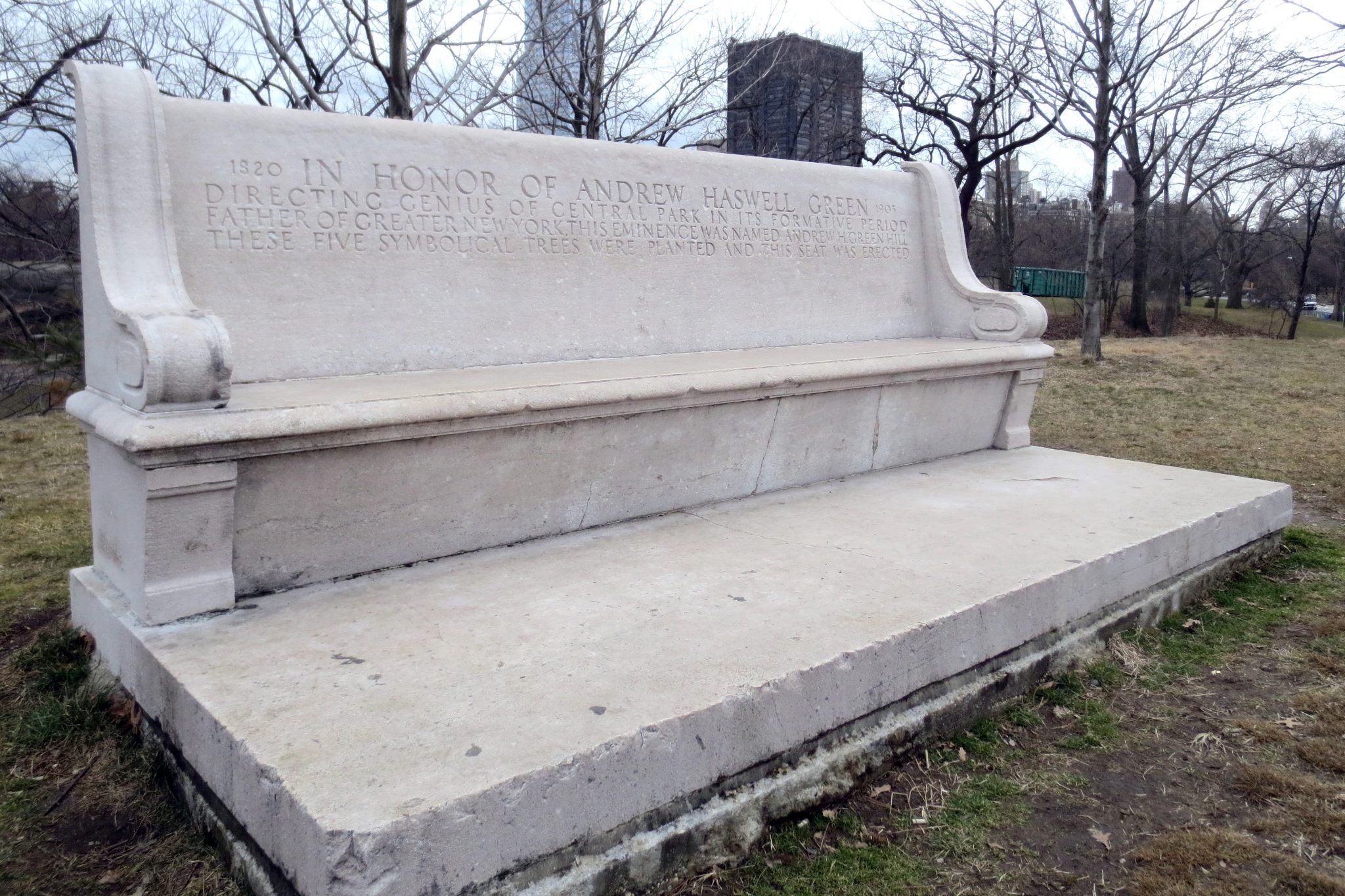
Green was honored in 1929 – a quarter century after his death – with a simple bench backed by five trees that represent the five boroughs of Greater New York.
More
- For more posts on the Park, click on the “Central Park” tag in the Obsessions cloud at lower right.
- For more on Central Park in the nineteenth century, see my book Central Park: The Early Years (details here) and my webpage incorporating an ever-increasing number of early images of the Park.
- This post is adapted from a forthcoming Guides Who Know app.
- Want wonderful art delivered weekly to your inbox? Check out my free Sunday Recommendations list and rewards for recurring support: details here.